Showing posts with label intarsia. Show all posts

Monday, 7 November 2022

Lots of Spots Cardigan - available in Knit Now issue 148

Hello! Knitwear season has well and truly arrived, and, if you have someone small to knit for, I have a new pattern just for you! 


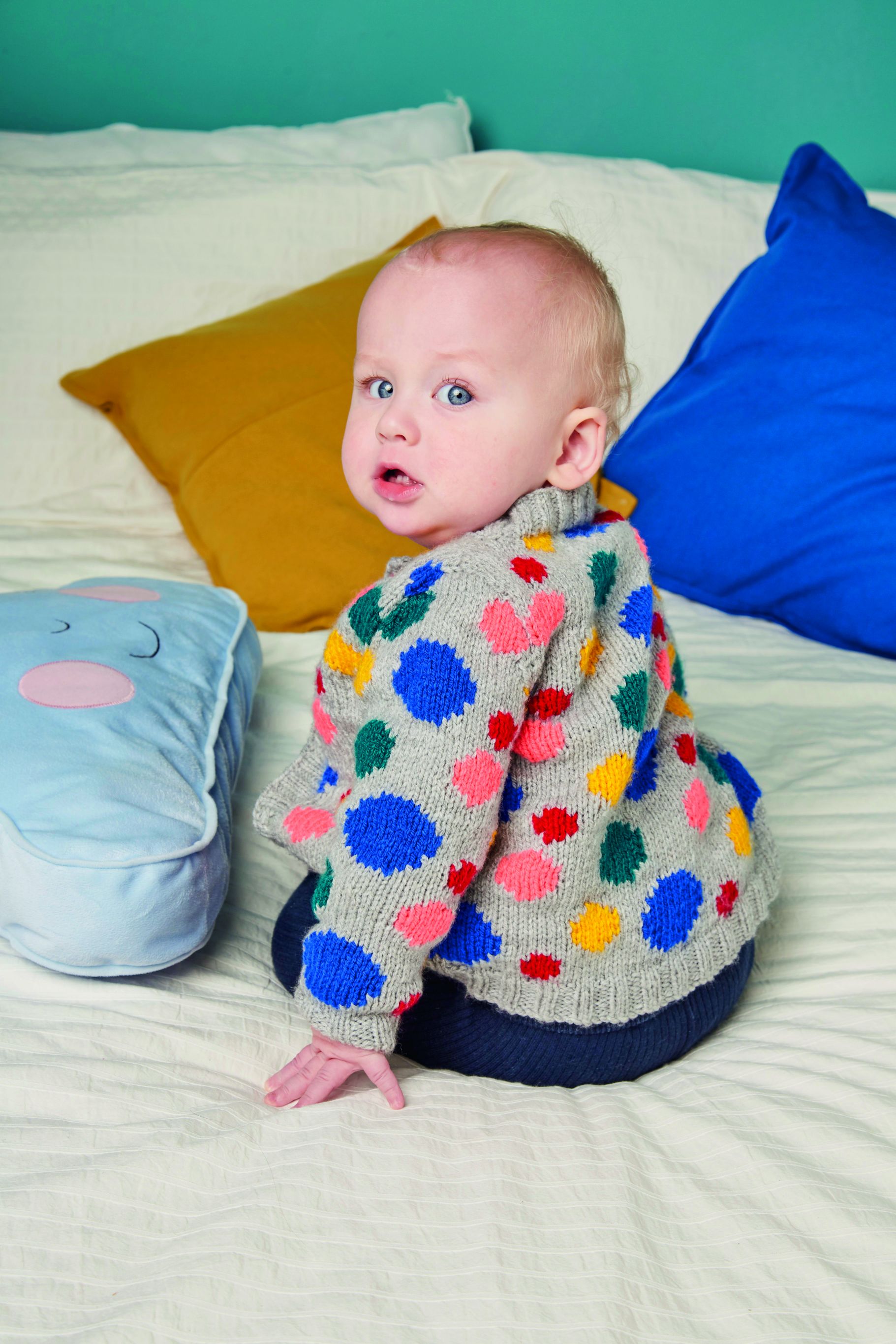
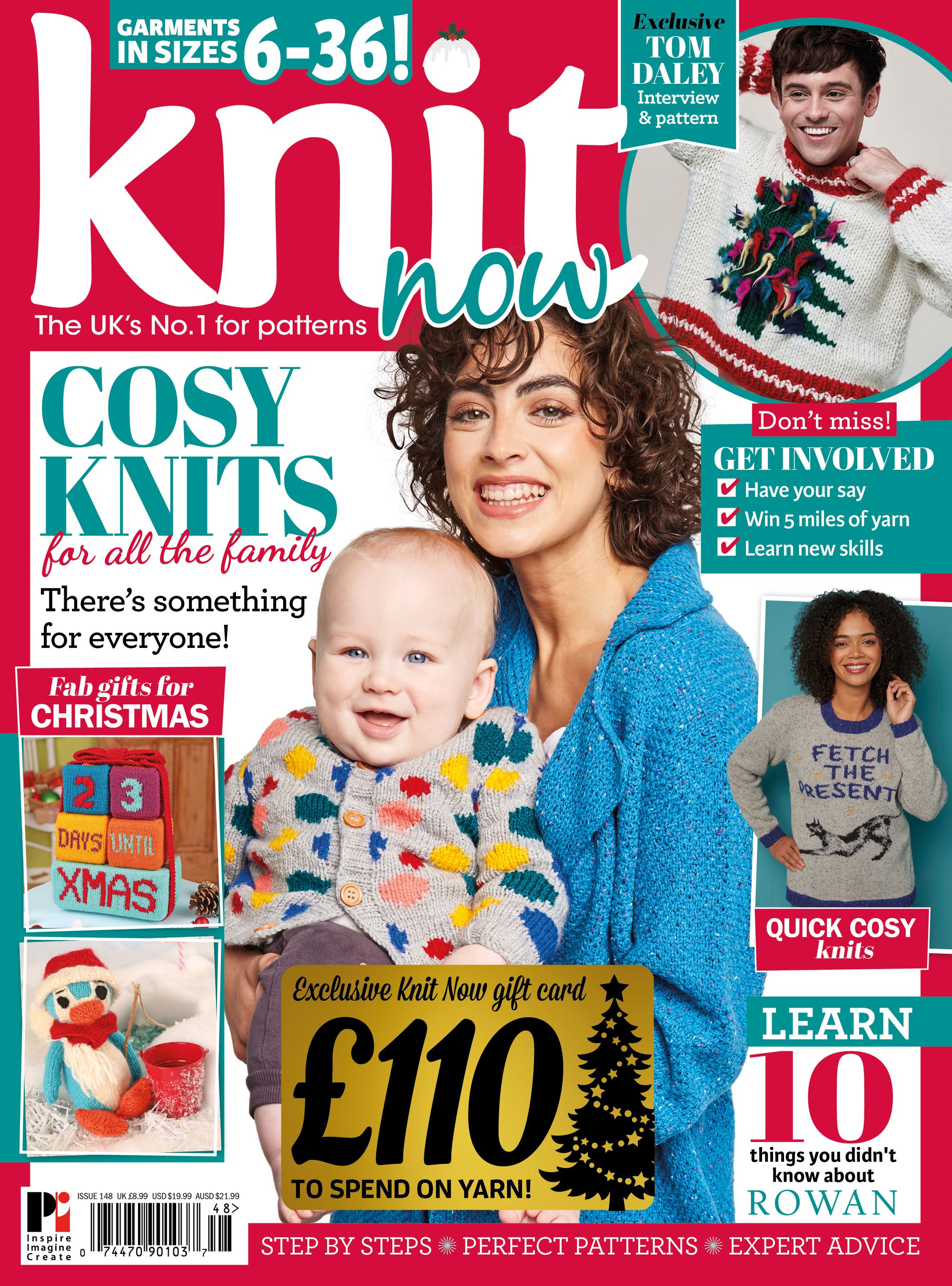
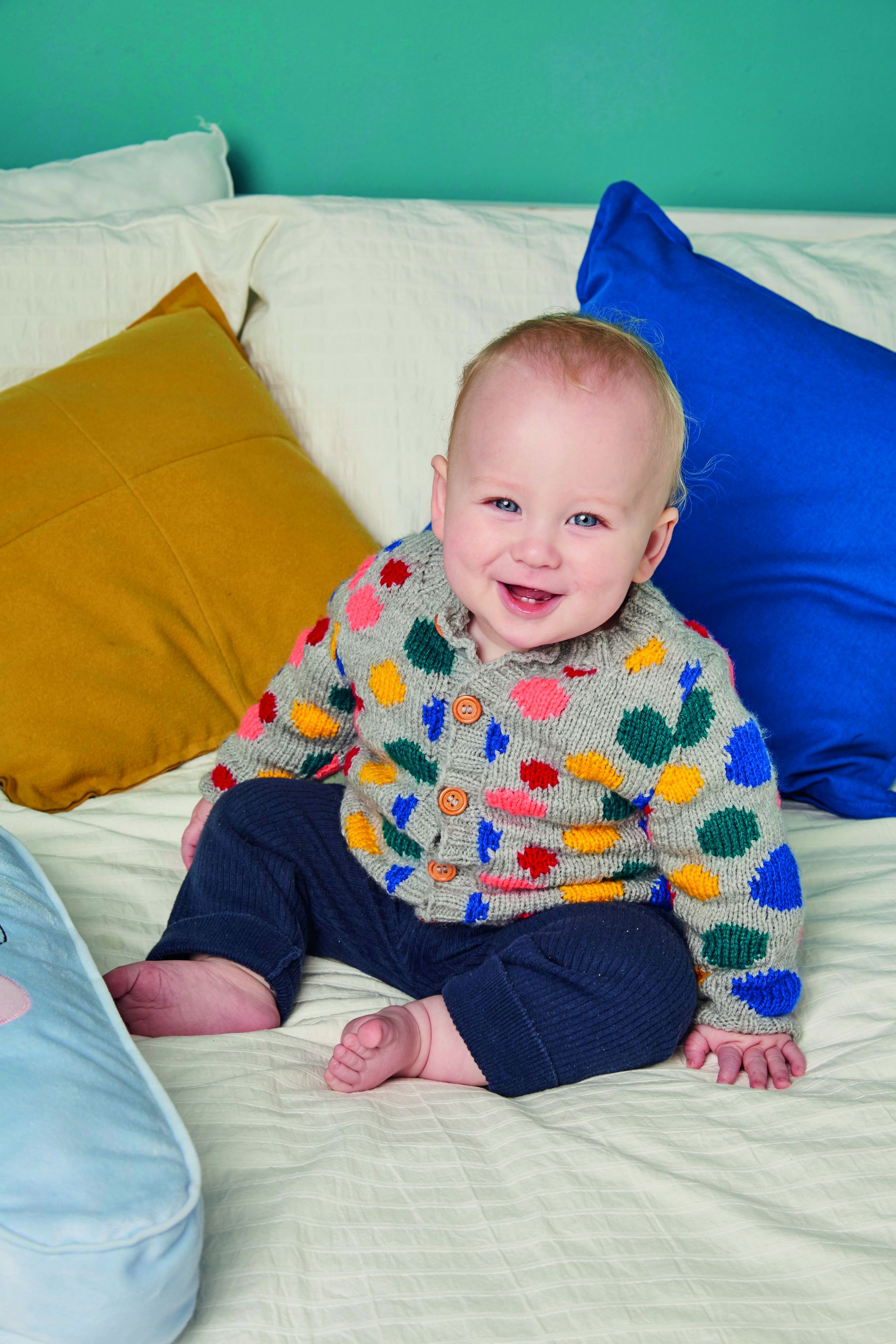
My Lots of Spots Cardigan is available in the latest issue of Knit Now Magazine (issue 148). The cardigan features bright spots in a rainbow of shades and is the perfect knit for brightening up a dull winter’s day.

The pattern is written in 5 sizes [0-3 (3-6, 6-12, 12-18, 18-24) months] with finished chest circumferences of 46 (48, 51.5, 53.5, 55) cm. Why not make a small one for this winter and a larger one for next year?

The cardigan is knitted from the bottom up in pieces, and the spots are incorporated using the intarsia technique. Finally, stitches are picked up for the neckband and front bands after the cardigan has been seamed.

This pattern is great for using up scraps – you’ll need two balls of the main colour, but you can go and have a look through your leftovers and use whatever takes your fancy for the spots!

I used wooden buttons for the sample (I love wooden buttons, I have a pile on standby because they go with everything), but you could choose colourful buttons to highlight one colour of spot, or you could even make each button a different colour.

Want to knit your own Lots of Spots Cardigan for a loved one? You can find the pattern in issue 148 of Knit Now Magazine. Full details of where to buy the magazine (including digital editions) can be found here.

Why not add the pattern to your Ravelry favourites or queue? You can find the pattern information page here.*

*Ravelry link. May affect people with photosensitivity. Proceed with caution.

All images copyright Practical Publishing. Used with permission.

Monday, 10 October 2022

Paddington Jumper – available in Knit Now 147

Once in a while, Knit Now ask me to design a character knit for them. I love working with characters, trying to transfer the essence of the character to my grid of stitches. These patterns are very much get-me-while-you-can, because once the print issue has sold out, the patterns are no longer available, and I often get disappointed knitters contacting me to ask how they can get hold of a copy of a pattern they missed. 

A few years ago (2018!!! Which is longer ago than I realised!), Knit Now published my children’s Paddington Jumper in a supplement to the main magazine, and since then I have had at least one email a month asking where knitters can get hold of the pattern, only to have to tell them that they’ve missed their chance and their best bet is to see if anyone is selling the supplement on ebay… until now…

I am delighted to announce that Knit Now have re-published the pattern in Knit Now issue 147! Which means you can get your hands on the pattern and knit your very own Paddington Bear jumper. 


Even better, the pattern is included in digital copies of the magazine, so even if you don’t get manage to get hold of a paper copy, you can still knit the pattern.*


The original jumper is knitted in Patons Extrafine Merino DK, but some of the colours have been discontinued since the pattern was originally published. Debbie Bliss Rialto DK** is a very close alternative; if you prefer acrylic, why not try Stylecraft Special DK,** which comes in a huge array of colours. If you are substituting yarn, do remember to check the yardage.

Knit Now issue 147 is available in the UK now; the issue goes off-sale on Wednesday 2nd November 2022. Print copies can also be ordered via CraftStash, while stocks last.

All images copyright Practical Publishing.

*Missed your chance to pick up a print copy? You can buy the issue online here.

**Affiliate link.

********

Waiting for your magazine to arrive, but want to get started with the planning? Here are the pattern details:

Yarn used
Patons Merino Extrafine DK
5 (5, 6, 7, 8) balls in Baby Blue 152 (MC)
1 ball each in Camel 105 (CC1), Chesnut 111 (CC2), Royal 151 (CC3), Black 00199 (CC4), Sundance 120 (CC5), and Cherry 131 (CC6)

About the yarn
DK; 120 m per 50 g ball; 100% extra-fine Merino wool

Tension
22 sts x 30 rows = 10 cm measured over St st on larger needles

Needles used
4 mm straight
3.5 mm straight
3.5 mm circular, 40 cm

Other supplies
Yarn bobbins (optional)
2 stitch markers
Tapestry needle

Sizing
2 (4, 6, 8, 10) years, designed to fit with 5 cm positive ease

Finished measurements
Chest circumference: 60 (67, 71, 74.5, 78) cm
Length to underarm: 25 (26.5, 28, 32, 24) cm
Back length: 40 (42.5, 44.5, 50, 54) cm
Sleeve length: 21.5 (26.5, 29, 31.5, 34.5) cm

Tuesday, 5 July 2022

Blocking: a cautionary tale

How do you block your knits? I generally soak them in tap water for about 10-20 minutes (without any detergent), squeeze out any excess water, roll them in a towel to get them a bit drier (I usually stamp on the towel to get them as dry as possible), then lay them out flat to dry. I used to dry them outside on days when the weather was good, but today I'm going to share a cautionary tale about what can happen when you dry your knits in the open air...

A few years ago, I had been working on a Breton-inspired children's jumper and I was really pleased with how it had turned out: fresh and cute, and my daughter loved it, so I was hoping it would get plenty of wear.


As the sun was shining, I soaked the jumper over breakfast, squeezed the excess water out into a towel and laid the jumper out on blocking mats in the garden to dry. I then went out for the day as planned.


When I got home after lunch I went to the garden to pick up the jumper, and was pleased that it was nice and dry. But on closer inspection it wasn't quite the same as when I had left it. The front of the jumper had yellowed slightly. My immediate thoughts were sun damage (which seemed unlikely, while the sun had been hot the jumper had only been out for a few hours), or some sort of dust. I threw the jumper in the washing machine on a wool cycle, hoped for the best, and posted a photo to Instagram in case any one had any useful advice.


A couple of people suggested pollen, which seemed reasonable as the pollen count has been really high that day. I set about using the internet to research ways to get pollen out of clothes, and while there are many, many helpful suggestions, most involve using biological stain removers, which won't work on wool.

When the jumper had finished washing I fished it out of the machine, hoping that it would have returned to its original state. No such luck. I soaked it a couple of times in cold water, to no avail, then squeezed the water out and hung it out (inside, on a clothes rail) to dry, hoping that it would look better when dry.

When my husband got home from work he took a look at the jumper too, and quickly concluded that it was indeed sun damaged. And irretrievable.

I had dried knitwear in the sun many times, and never had any problems, but having done some more research, many yarn companies say not to dry yarn in direct sunlight, but none of them say why. It would appear this is the reason: wool is fragile and scorches easily, so my advice is never to dry knitwear in direct sunlight. And while I'm at it, wear sunscreen; if the sun can do this to yarn, imagine what it can do to your skin.
 
This happened a few years ago now, and I never dry my knits in direct sunlight any more. They're fine in the shade, but I usually stick to drying them indoors, just in case I forget to move them before the sun moves on to them.
 
My tale of blocking woe wasn't a complete disaster. While I did knit an entire second sample in a different colourway, I did manage to take some photos of the original sample for the pattern, just don't look too closely or you might see that the jumper features two shades of white! 


Have you ever had any blocking disasters?

Pattern is From Breton with Love, available on Ravelry* and LoveCrafts (affiliate link).


********

*Ravelry link - may affect people with photosensitivity, proceed with caution.
 
Note: a version of this blog post was published on this blog in 2017. You can find the original post here.


Thursday, 26 May 2022

33 tips for perfect picture knits

Do you find intarsia a little bit scary? You're not alone! To help you improve your intarsia, I've put together a pdf containing 33 tips that will have you confidently knitting pictures in no time. 

The tips start with the basics, such as choosing yarn, and tips for reading charts, and go all the way to advice for getting the best finish. Want to get hold of the pdf? All you have to do is sign up to my newsletter, and the pdf will arrive with your welcome email.

Ready to sign up? Click this link.

Thursday, 16 December 2021

Book review: Intarsia by Sian Brown

I've got a book review for you today.

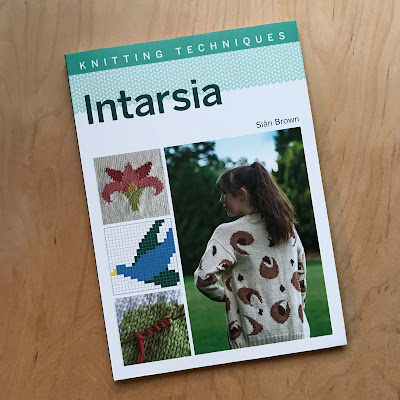
Do you fancy having a go at intarsia, but aren’t sure where to start? Intarsia by Sian Brown is here to give you all the help you need.


Who is Sian Brown?

Sian Brown is a knitwear designer who has worked for magazines, yarn companies and publishers.


What’s included in the book?

The four chapters cover:

1. The basics of intarsia.

2. Twenty charted motifs.

3. Five projects.

4. How to create your own intarsia designs.

The book covers everything you need to know about intarsia: the first chapter includes all the basics, but also dives deep into when to combine intarsia with stranded colourwork, how to add extra details with embroidery and beads, as well as tips on making your intarsia look its best by using various finishing techniques.

The motifs chapter contains twenty charts, starting with simple one-colour motifs, moving on to more detailed designs that require multiple colour changes. Sian has also included suggestions on what you could use the motifs for, and adds little details to a lot of the designs, such as using beads to add sprinkles to an ice cream cone. There’s a section at the end of the chapter with guidance on how to resize motifs, how to decide where to place motifs on knitwear, and how to work mirror images of the motifs. All the charts are clear and easy to read.

What to know what charts are included? Here you go: simple fish, striped ice lolly, detailed leaf, yellow duck, nautical anchor, simple flower, festive snowman, sailboat, beaded cupcake, striped beach hut, swiss-darned sheet, grey elephant, quilt star, swallow, happy robot, speckled toadstool, robin, tumbling bocks, wise owl, and open flower.

Chapter three gives instructions for five projects you can make with your newly acquired intarsia skills: a cot blanket, pair of fingerless gloves, a wrap, a child’s jumper and an adult’s cardigan. The patterns are complete, and include excellent schematics and making-up instructions.

The final chapter tells you where to start if you want to design your own motifs: from where to find inspiration and how to create your own charts, to how to place motifs. This chapter is full of little extra bits of information, such as how to choose the right yarn for the job. One thing I feel is missing from this chapter is knitters’ chart paper, as while it is noted that knitted stitches are not square, all that charts are drawn on regular chart paper.


Should I buy this book?

This book is a great beginners guide to intarsia, but also includes lots of extras that make it good for intarsia knitters of all skill levels. With clear photos and charts throughout, this book is easy to work from, and its compact size (17.5 x 24 cm) means it’ll fit easily in your knitting bag. Definitely one to pick up if you fancy having a go at intarsia in 2022.


Intarsia by Sian Brown is available now.**


Intarsia by Sian Brown is published by The Crowood Press, 2021.

Book supplied by the publisher for review purposes. All opinions are my own.


**As an Amazon Associate I earn from qualifying purchases.


Friday, 15 October 2021

Dreaming of a safari? Giraffe Family Blanket is available now!

Have you got a baby on the way? Maybe a friend or family member does? Are you looking fr the perfect gift for them? The Giraffe Family Blanket might be just the thing!


When I was little, I wanted a pet giraffe! I’ve always been tall, and when I was little I found these tallest of animals fascinating. I would have loved the Giraffe Family Baby Blanket as a small child, and this makes the perfect gift for a new baby (especially if the parents are tall!). 

At 91 x 71 cm (35.75 x 28 in), the blanket is sized to fit a pram, stroller, Moses basket or crib, and can also be rolled out on the floor and used as a playmat. The blanket is knitted in one piece with the giraffes being incorporated using the intarsia technique. The giraffes stand against a green grass and blue sky background, and the edge stitches of the blanket are knitted in moss stitch to prevent curling.

The blanket instructions are written out in full, with both charts and written instructions for the giraffes.

Ready to cast on? Pick up your copy now!

Use the code GIRAFFE to get 15% off. Expires 11.59pm BST, Friday 22nd October 2021

PayHip: https://payhip.com/b/TSXPt

Ravelry: https://www.ravelry.com/patterns/library/giraffe-family-baby-blanket**

********

Want the technical info? Keep reading...


Sizes

One size: 91 x 71 cm (35.75 x 28 in)


Tension

16 sts and 22 rows = 10 cm (4 in) in stocking stitch worked flat on 5.5 mm (US 9) needles after wet blocking, or size needed to obtain correct tension.


Yarn

Aran-weight yarn in the following colours and amounts: A (green): 125 m (140 yds); B (pale blue): 520 m (570 yds); C (yellow): 115 m (130 yds); D (brown): 40 m (45 yds); E (black): 5 m (10 yds)

The yardages given are enough to knit the grass, sky, and yellow portion of the giraffes, then add the spots and faces using duplicate stitch. If you knit the whole blanket using intarsia, you will find you need less yellow than stated.

I would recommend using an acrylic, wool, or wool/acrylic blend yarn with plied structure and good stitch definition. If you are making the blanket for a baby, you may wish to consider using a machine washable yarn to make the blanket easy to care for.


Needles

5 mm (US 8) circular needle at least 80 cm (32 in) in length; 5.5 mm (US 9) circular needle at least 80 cm (32 in) in length


Notions

Stitch markers x 4; Bobbins for holding the different yarn colours during colourwork; Chart row marker; Tapestry needle


Pattern notes

The sample is knitted in Stylecraft Special Aran (aran, 196 m per 100 g ball, 100% acrylic) in Meadow 1065 (A), Cloud Blue 1019 (B), Saffron 1081 (C), Mocha 1064 (D) and Black 1002 (E).

Weave your ends into regions of the same colour to avoid show-through.

Weave in your ends every 10 or so rows to avoid having to do them all at the end.

When working from the chart, odd numbered rows should be worked right to left, and even numbered rows should be worked from left to right.

If you find that printing the chart on A4 paper is too small to easily read, you can find a few solutions in this blog post: https://www.vikkibirddesigns.com/2021/10/making-knitting-charts-larger.html

You may prefer to add the spots to the giraffes at the end using duplicate stitch. If you wish to do this, knit all the spot sts from the chart or written instructions in C (yellow) while you are knitting the blanket, then sew over them at the end using D (brown).

This pattern was tech edited by Jo Torr.

A version of this pattern was published by Willow Yarns.

Pick up your copy now!

Use the code GIRAFFE to get 15% off. Expires 11.59pm BST, Friday 22nd October 2021

PayHip: https://payhip.com/b/TSXPt

Ravelry: https://www.ravelry.com/patterns/library/giraffe-family-baby-blanket**


**Ravelry link. May cuase issues for people with photosensitivity, proceed with caution.
Thursday, 17 June 2021

Izzy, wizzy, let's get busy! Sooty cardigan and blanket


Did you know that Sooty has been on TV screens for over 70 years? I wonder whether any of the current children’s television programmes will be as recognisable in 70 years as they are today? If you have fond childhood memories of Sooty that you want to share with your children or grandchildren, I have a real treat for you: let me introduce, the Sooty cardigan and blanket set!

Both items in the set use intarsia to incorporate Sooty’s face and magic hat. I added a lot of the smaller details using duplicate stitch, which saved me quite a lot of tangles!


The cardigan is knitted flat and seamed, and is written for five sizes [0-3 (3-6, 6-12, 12-18, 18-24) months]. The blanket is knitted flat on a long circular needle, and comes in three sizes [small (medium, large)].

Both items are knitted in King Cole Merino Blend DK,* which is a superwash pure wool yarn. I love using it for baby knits because it comes in lots of colours, blocks well, and is machine washable. The pattern is written to a standard DK gauge though, so if you prefer using acrylic, why not look at King Cole Pricewise DK* instead?


The patterns can be found in the Joyful Baby Knits with Sooty Supplement that comes with issue 130 of Knit Now magazine, which goes on sale today.**

Want to add the patterns to your Ravelry favourites or queue? You can find the patterns here:

Cardigan***

Blanket***

Don’t want to hunt the shops for a copy? You can order a print copy online here (while stocks last).


*Affiliate link.

**Note that for copyright reasons, the supplement is only available with UK print editions of the magazine. If the patterns take your fancy, make sure you pick up a copy now!

***Ravelry link: may affect people with photosensitivity; proceed with caution.
All images copyright Practical Publishing, used with permission.